



November 30, 2025 | Country Life
How to Start a Poultry Farm in Ontario
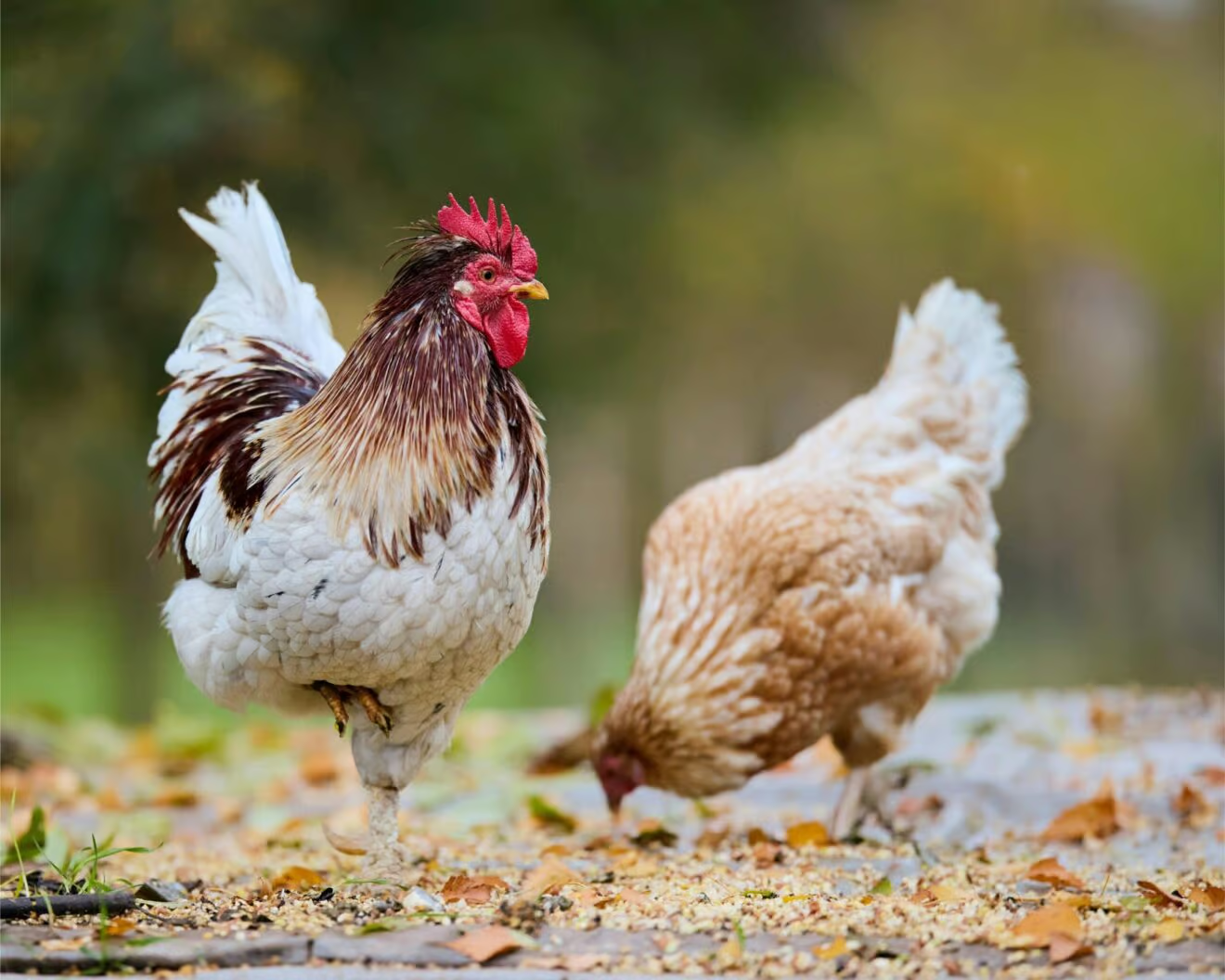
Let’s face it… Guelph and its surrounding areas are full of agricultural opportunities. Whether you are looking to invest in a small-scale farm operation, a horse farm or land to build your dream home– there is something for everyone. The poultry industry is a hidden gem in our local area that is booming with market opportunities.
In this blog post, we will walk through everything you need to start poultry farming in Ontario: From the key decisions to the licensing quota, zoning considerations, land preparation and start-up costs.
How to Become a Farmer in Ontario
Guelph and its surrounding areas set the scene for the perfect farming environment. With an ongoing availability of land, there is ample market opportunity. Poultry farming is one of the most accessible farming sectors for year-round success.
There are a few reasons for this: The scalability of land, lower land requirement compared to other livestock, and year-round demand makes this kind of farming very sustainable.
The industry itself is extremely tightly regulated. This is a huge pro for farmers and business owners because it leaves little margin for error. There are various entry points to break into the industry, which offer some flexibility– whether you are raising chickens for their meat and operating boilers, layers for eggs, raising heritage breeds or breaking into a special market sector, all of these kinds of poultry farming are available in this area.
The KEY starting point is receiving the proper advice from a real estate agent who is established in the Agriculture sector.
Searching for insights on buying a farm in Ontario? Read these blogs next!
- Your Guide to Starting a Farm in Ontario
- Where Can I Buy a Hobby Farm Near Toronto?
- What to Know About Buying a Horse Farm
Licensing and Registrations For Poultry Farms
In Ontario specifically, the poultry business is managed on the basis of supply. The use/ production of birds for eggs and meat is managed through certain quota limitations such as:
- Chicken Farmers of Ontario – manage the meat production and boiler use
- Egg Farmers of Ontario – manage the production of eggs
- Turkey Farmers of Ontario – regulates and restricts the use of turkeys
If you are new to the industry, your first question will likely be: Do I need a quota to start a poultry farm?
What is a quota– a quota is the permission to produce a set number of eggs and or bird on an annual basis which protects supply and ensures an equitable distribution between farmers. There is one work around which is the small scale program offered in Ontario, allowing farmers the right to yield new produce under limitations without the requirements of a quota.
Hobby Farm Regulations in Ontario
If you are interested in hobby farming and more self-sustainable options, then this is a great way for you to avoid the hassle of a quota. However, there are still restrictions on the size and type of operation you are allowed to facilitate:
- Chicken- allowed up to 300 birds per year (depending on municipal restrictions)
- Egg Layers- allowed up to 100 layers (depending on municipal restrictions)
- Turkeys- Allowed up to 50 birds annually
Understanding these limits will help you avoid further problems and regulatory issues regarding quotas. The introduction of small-scale farming ensures that farms focused on hobbying and self-sufficiency are operated in manageable ways.
Zoning Requirements
This is the section in which a professional Real Estate Salesperson who is experienced in Agricultural Sales will be the BEST tool to have! Zoning requirements can become difficult to understand because there are various precautions and definite NO’s when it comes to farming.
The Municipal By-laws specifically will indicate the following restrictions:
- What kind of livestock is permitted on the lands
- The maximum number of birds allowed
- Setback requirements for barns, houses and other auxiliary structures on the land
- Noise, smell and environmental restrictions
- Any pre-existing easements on the property
- Available utilities
- Distance from respective neighbouring properties
Beyond just doing your own research, make sure you contact a Rural Real Estate Agent to perform the due diligence on the property. Because what they uncover today will save you time, frustration and hassle in the future. Ensure that your agent of choice has experience in the rural real estate to know the questions to ask, flags to look out for, and parts of the transaction as they naturally progress.
Housing & Coops
Ensuring you have an organized and sufficient setup to house your turkeys or chickens is the most essential factor. Birds will require a dry, clean and well-ventilated area.
Housing elements may include:
- A barn or large, insulated coop
- Proper ventilation systems (to code)
- Access to natural light and or indoor supplemental lighting options
- Floor that is easy to clean/ power wash
- Secure interior and exterior fencing
Particularly if you are raising birds for meat, the focus is going to be on temperature control and ventilation for the most effective growth. For barns/ operations focused on laying, sunlight and/or supplemental lighting options will be equally important to the success of your birds hatching.
Looking for more advice related to buying a rural home? Check out these related resources!
- What Does a Home Inspector Look for in a Rural Property?
- Tips For Transitioning to Rural Living
- What is the Right Size of Acreage?
Managing Biosecurity
Biosecurity is an extremely important factor of poultry production and critical to the success and management of the operations. Ontario farmers are required to follow very strict precautions to help prevent disease and risk in their barns.
These precautions include:
- Controlled access points
- Boot sanitation
- Feeding management
- Proper storage practices
- Pest control and ongoing tests
- Regular cleaning
- Ongoing personal and barn decontamination
In addition to these needs, you will have to purchase the equipment required to complete these tasks. You shouldn’t cheap out or miss these steps, as one infection can wipe out an entire farm operation if it is not managed properly.
Strategies for Marketing
Consumers in Ontario are always looking for new opportunities to consume better-quality foods. Due to the accessibility and quality of our local produce, it is quite commonplace to eat locally and homegrown foods.
Consumers regularly look for:
- Local
- Ethical
- Free-range
- Pasture-raised
- Antibiotic-free
- Farm-fresh produce
Today’s buying market connects with transparency in the management and production of meat/eggs. Connecting with local buyers is key and having a voice and role in the community, whether it is through local initiatives, farmers markets, partnerships or clubs, will make a difference in consumer trust. Consumers want a brand that they can trust and, better yet, a local one!
How Much Does it Cost to Start a Farm in Canada?
Costs vary widely depending on scale, but here’s a general idea for Ontario beginners:
Small Scale Operation:
- Coop build or renovation: $1,000–$10,000
- Chicks or pullets: $3–$20 per bird
- Feed: $20–$35 per bag
- Equipment: $300–$1,000
- Bedding, heat lamps, fencing: $200–$800
Commercial Scale Operation:
- Barn construction: $250,000–$1M+
- Quota: Varies significantly
- Manure systems: $30,000+
- Heating, ventilation, lighting: $50,000+
- Automatic feeders, waterlines: $10,000–$50,000
Work With Rural Real Estate Experts
While starting a poultry farm in Ontario can seem somewhat daunting, the right professional advice will ease all of your concerns. By choosing to work with a local, specialized rural real estate team, you are protecting your interests and the future interests of your company/operation.
Focus on finding agents who have bought and sold land for commercial and agricultural purposes in the past two years, ensure they understand zoning configuration and compliance and be aware of the licensing requirements and responsibilities before you start your search for the perfect piece of land.
With an extensive portfolio in rural real estate and over 175 rural real estate sales, we understand the market and are here to protect you and your family. Inquire about our current vacant rural lots or allow us to help you in finding rural properties in your preferred area.
Searching for a rural home? Contact the experts in Guelph area rural real estate at Capstone REPS today! Reach us by email at info@capstonereps.com or call 519.824.9050.
Ready to Get Started?
Thinking about buying or selling a home in Guelph or Wellington County? Start the conversation with our team today.