




Posted on August 3, 2026 | Posted in Rural
Acreage Vs Farm: What’s The Difference?
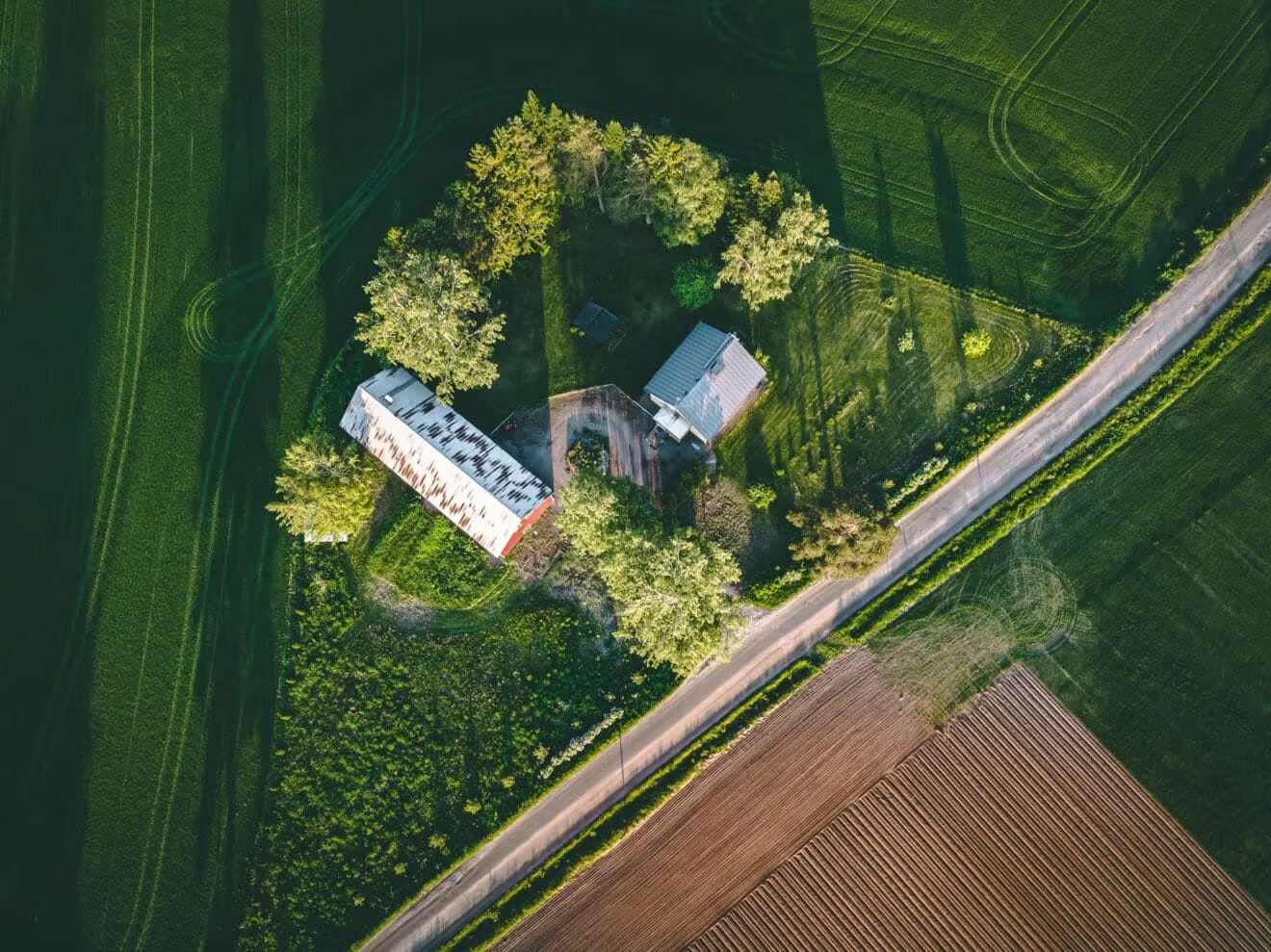
If you are considering a move to a larger, more rural property, then this blog post is for you! Together, we will break down the differences between general acreage and a farm, the different styles of farms you may be interested in, and the overall pros and cons of choosing general acreage vs. a farm property.
Why Choose Acreage?
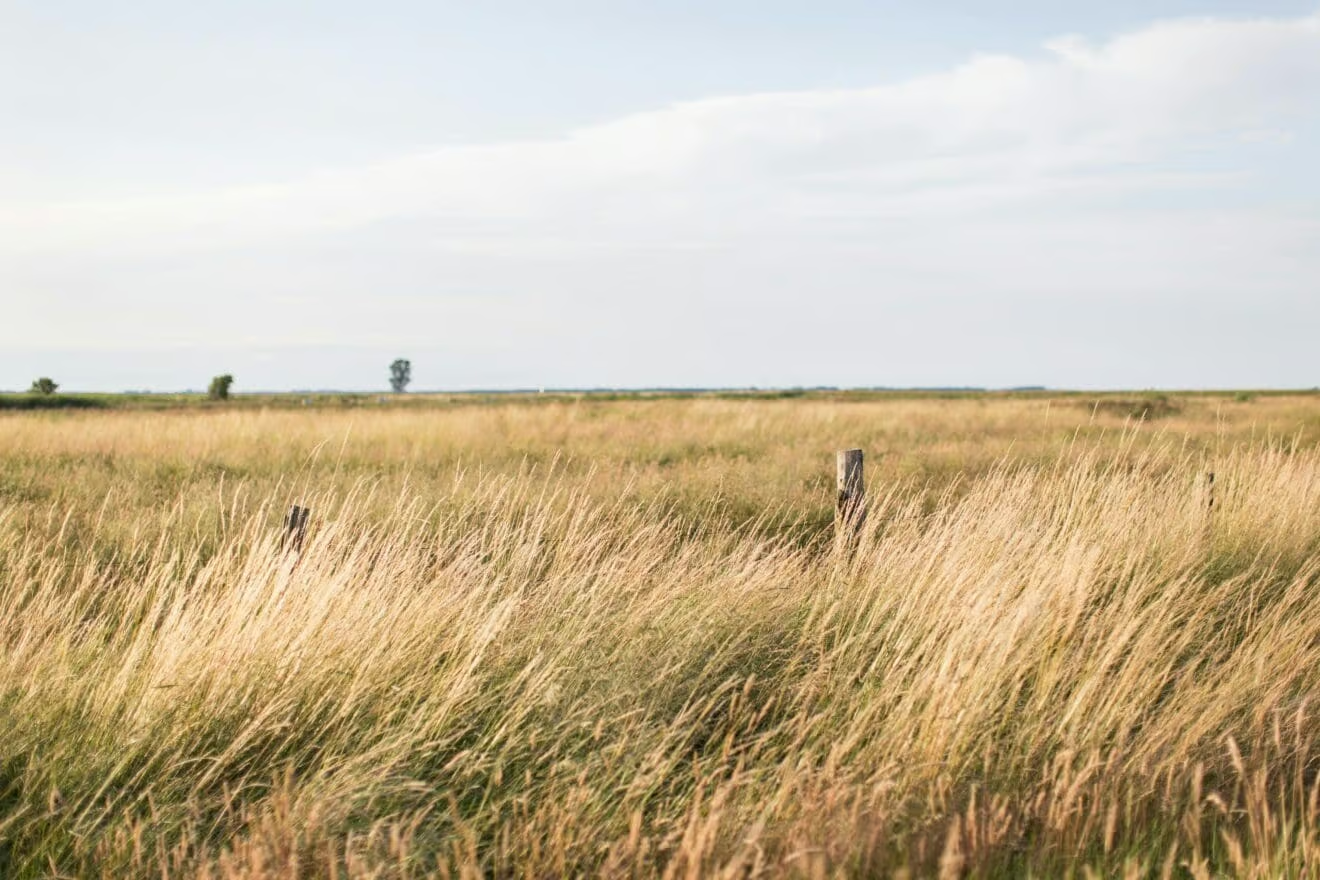
Acreage generally means a larger-scale property found just outside the suburbs. Any property with a general area of over 1 acre is considered to have acreage attached to the home as a real property asset. Acreage can be bought or leased out for a multitude of purposes. On rural properties, usable farmland is often referred to as “usable acreage” in most listing descriptions, which lets potential buyers know that this property is a candidate for farming uses, either personally or as valuable land to lease to a farmer.
If you are looking to build your country dream home but don’t want the responsibilities of a hobby farm or general farm setup of any kind, acreage will require less overall maintenance and provide you with a lot of creative options to lay out a home and/or auxiliary buildings. Most buyers who are looking for acreage in particular have plans to build a dream country estate home or are looking to expand their home-based business and require a larger lot for storage and work purposes.
The best part about uncultivated lands is that the overall maintenance can be low. If you are buying land as an investment, you won’t have to worry about upkeep, apart from the general pruning and trimming to keep areas from potentially growing over. On the other hand, if you are investing with the hope of cultivating the land for crops or selling part of it for eventual resale, purchasing land provides you with added flexibility to maximize your investment without the complications of a farm operation in place.
On the hunt for more rural real estate resources? Read these blogs next!
- How to Buy a Rural House in Ontario
- Urban vs. Rural Living – Which Is Better For You?
- Tips For Transitioning to Rural Living
Why Choose Farming?
Farming is an amazing lifestyle of self-sufficiency and ongoing reward. Buyers looking to purchase a farm can do so for recreation, business, self-sufficiency, investment, and many more reasons. The biggest difference between a farm and acreage is that farms are generally purpose-built. Whether it is an equestrian farm, dairy farm, turkey farm, or hobby farm, all existing farms serve a utility, and modifying a farm’s utility can be quite costly.
If you are an agricultural-based business looking to expand into one, or have a general interest in taking over some form of hobby operation with existing infrastructure, then owning a farm will make more sense for you. However, if you are looking to build your dream home or start an at-home-based business, land will provide you with more flexibility and fewer land restrictions.
Most farms are zoned agriculturally, but not all rural acreage is zoned as such. Some agricultural lands have different zoning permissions because of previous use. If you are planning to own and operate a business out of a farm or a plot of rural land, it is key to consult your Real Estate Agent and the digital zoning map to understand your zoning permissions and restrictions—farming, in general, tends to have fewer restrictions on use because Agricultural zoning can permit a multitude of uses in many cases.
Pros and Cons of Choosing Acreage
Some of the pros of choosing acreage
- Flexible land use.
- Potential to start a home-based business.
- Strong return on investment if sold in a strong market in the future.
- Generally easier to build on.
- More options in the current local Guelph market.
- Land is rentable if deemed usable farmland.
Some of the cons of choosing acreage.
- Can be costly to build and maintain.
- Does not always have the correct zoning for building.
- Can be subject to environmental land restrictions—wetlands, GRCA land, etc.
Some of the pros of choosing a farm
- Purpose built.
- Can be run as a business depending on the style of farm.
- Often already has outbuildings and storage accessible.
- Can appreciate in value with constant care.
- Additional land can be rented out for crops.
Some of the cons of choosing a farm
- Generally more maintenance.
- Can be specifically purpose-built.
- More costly investment.
Different Kinds of Farms
When it comes to farming, there are all different kinds of intended uses of land. It is important to distinguish the differences so that you understand the permitted uses of the farm property and the potential changes and/or upgrades you might have to make if the farm doesn’t meet your needs as is.
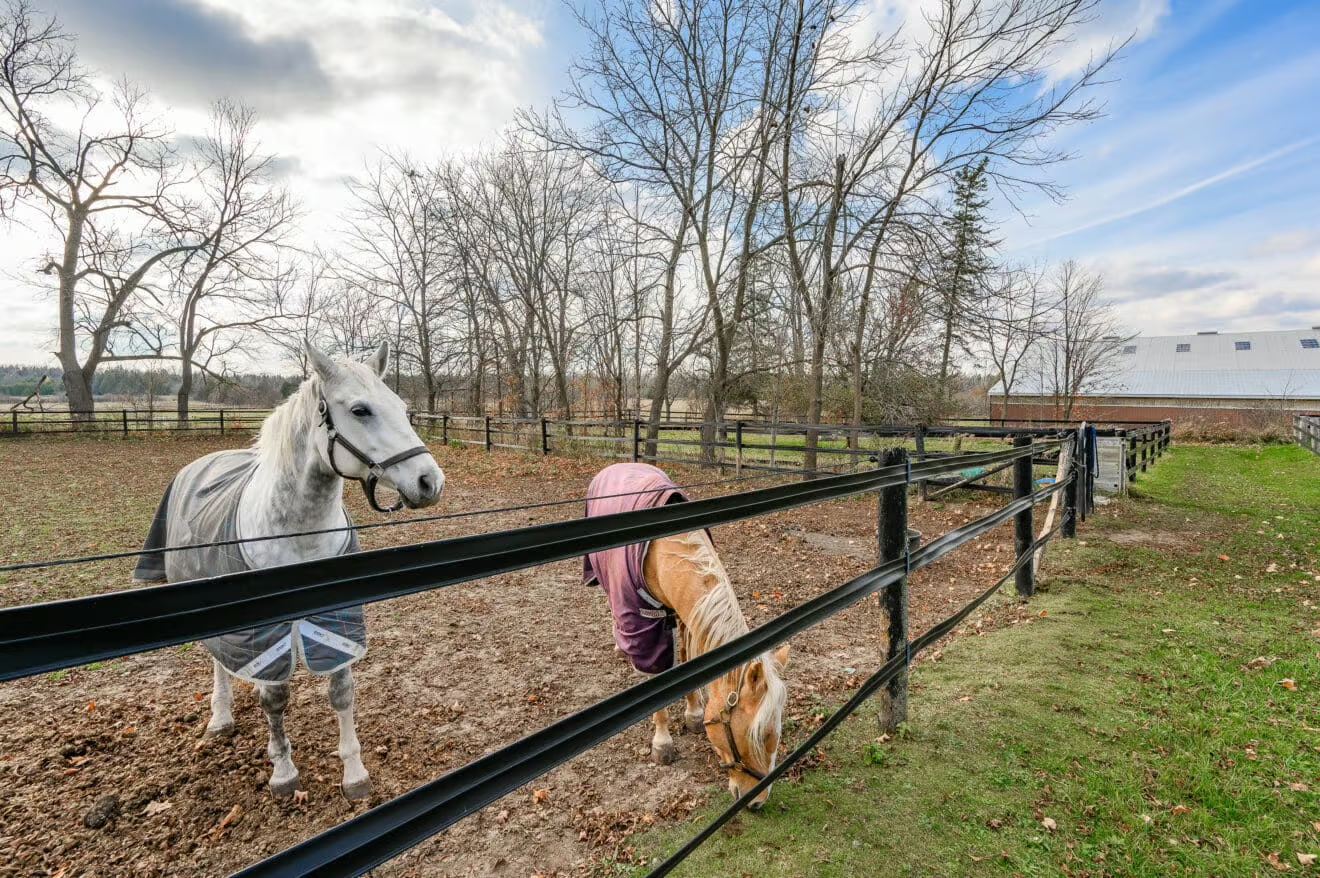
Equestrian Farm— An equestrian farm is used to house, train, and board horses temporarily, permanently, and semi-permanently. The size of an equestrian farm determines its uses, intended housing potential, and overall scale. Equestrian farms are normally equipped with a barn, tack and feed room, and hay loft. Most barns host anywhere from 3-10 horses on average. Outside, fences and specific paddocks provide safe places for horses to roam, train, and be cared for.
Equestrian Farm Continued— Larger equestrian facilities can include upwards of 50 stalls. These farms are purpose-built for the long-term and short-term boarding of race horses and non-working horses. In many cases, such facilities will include indoor equestrian training centers for both show and race horses, as well as outdoor tracks and riding areas. Mainly commercialized, these facilities run as year-long businesses for ongoing boarding and training purposes and provide a safe spot for the animals to stay year-round.
Turkey and Chicken Farms—There are various kinds of poultry farms with many different uses, such as hatcheries, egg farms, broiling farms, and meat production facilities. Those looking to purchase a farm should have extensive experience in this area of farming to understand the ongoing costs, risks, and maintenance required to keep an operation active. Legally, licensing, manufacturing processes, and standardized feeding processes are also important regulations for these purpose-built farms.
Hobby Farm—Perhaps the most up-and-coming use of a farm for personal leisure and business purposes is a hobby farm. These farms are often equipped with small-scale animal operations, such as a few chickens for egg production and cows for milking and/or beef. Hobby farms may have roadside stops offering fresh garden foods, home-grown flowers, and/or baked goods.
Dairy Farm— Often a large-scale operation, dairy farms require a specific level of expertise. Housing sometimes hundreds of cattle and home to leading industry machinery, it takes a purpose-built and maintained farm to operate successfully. Ontario averages just under 100 cows for the standard milking farm, meaning this kind of specific use requires more land than the general farm and follows strict regulations through the Dairy Farmers of Ontario.
Interested in buying a farm? Check out these blogs next!
- Your Guide to Starting a Farm in Ontario
- What to Know About Buying a Horse Farm
- Where Can I Buy a Hobby Farm Near Toronto?
Different Uses for Acreage
If you are considering purchasing a property with acreage instead of a general use farm, or are inheriting a property with acreage and want to know what you should do with the land, here are some common, yet creative suggestions.
Specialty Cropping is a form of farming that grows high-value items to be sold and later produced again. Items such as lavender, garlic, fresh-cut flowers, or local berries are included in the list of specialty crops that require specific growing conditions and ongoing attention. However, when produced correctly, these all carry strong market value.
Storage and/or Recreation is another form of land use that is less common but highly effective. If you are purchasing a farm with large auxiliary buildings such as a bank barn or drive shed, consider renting out the storage space to those looking for equipment, boat, car, and/or seasonal storage options. This is a fantastic way to make use of a space that would otherwise remain empty, while also allowing you to take home a profit.
Renewable Energy is another less common, yet highly effective use of land. Windmills and solar-powered energy are great ways to continue to power an operation or home. As you enter rural areas, you will notice too that many homes have solar panels on the roof or solar tiles installed on an adaptor in their field to power heavy machinery and everyday living.
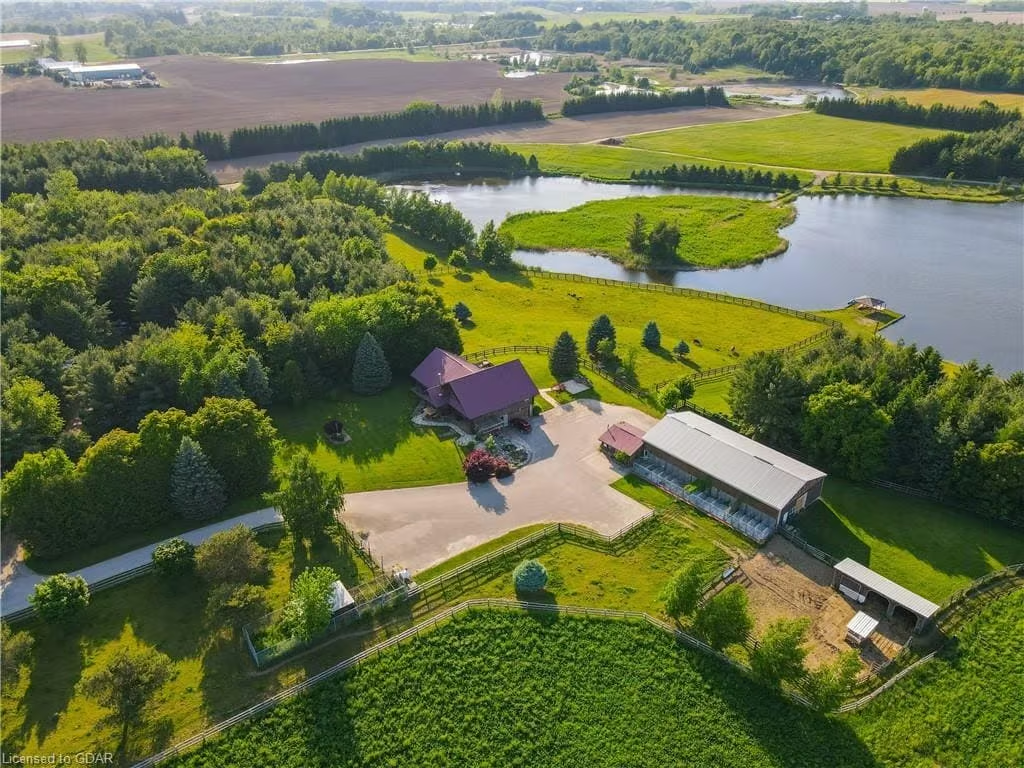
Create A Wedding Venue with an existing auxiliary barn on the property, or apply for permits to use a property with a pond/river feature for outdoor weddings. If you are buying a property with great venue potential and intend to use it this way, it is important to have the proper permits in place and permission for your local municipal government office.
Partner With a Rural Real Estate Expert
Now that you are informed on some of the many characteristics that distinguish general acreage from a farm property, as well as the pros and cons that go along with each property type, you should be able to make a more informed decision based on your needs. If you still find yourself stumped, consider listing your own pros and cons, and using ours above as a framework.
Finally, when you are ready to start your rural real estate journey, make sure that you do yourself a favor and choose to work with a local rural real estate team with the experience and transaction history to back your purchase. The most important decision you will make is who you choose to represent you as a Realtor.
Ready to buy? Work with Ontario’s rural experts. Reach us by email at info@capstonereps.com or call 519.824.9050.
Ready to Get Started?
Thinking about buying or selling a home in Guelph or Wellington County? Start the conversation with our team today.